A second-hand electric vehicle can significantly lower household expenses for a surprisingly reasonable upfront price, writes Keri McNamara and Katrina Gorrie of Clean Energy Canada
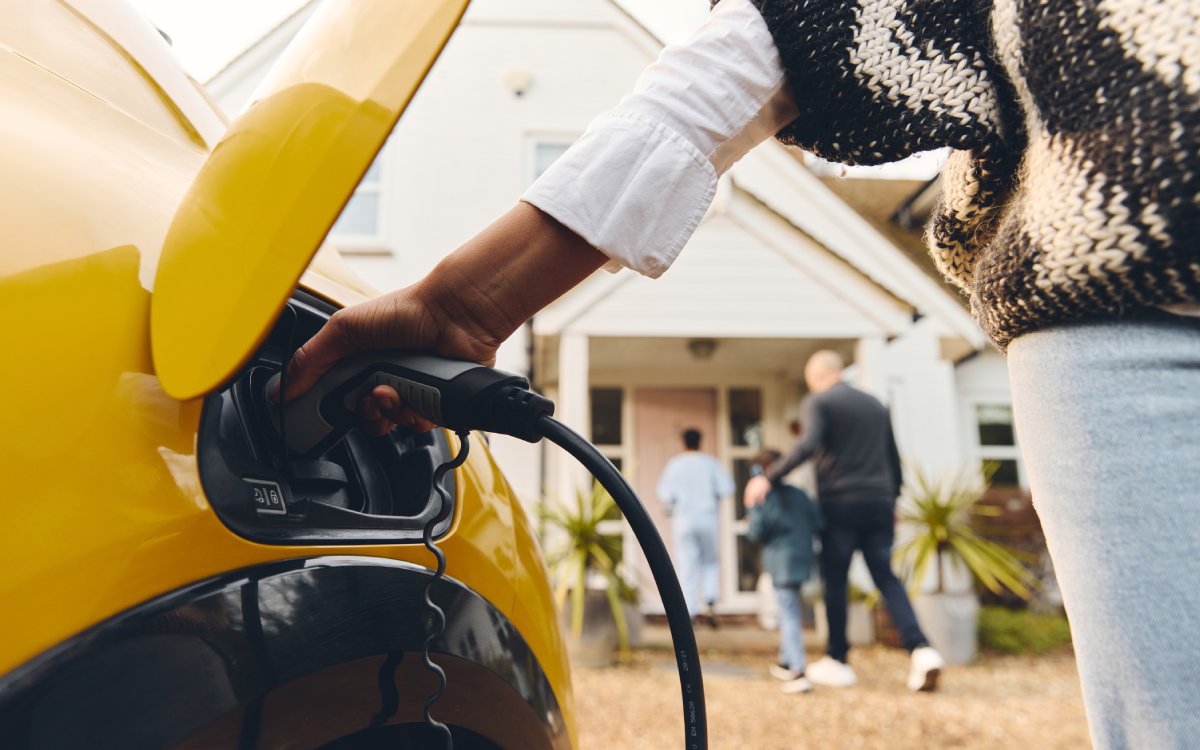
A pre-owned EV can be around the same price as a comparable ICE vehicle. – iStock
A second-hand electric vehicle can significantly lower household expenses for a surprisingly reasonable upfront price, writes Keri McNamara and Katrina Gorrie of Clean Energy Canada
With gas prices hovering well above average for the sixth consecutive month, many Canadian households are hunting for new ways to ease the price squeeze. Last year, even before the recent oil price hike started to hit Canadian wallets, transportation was already the second-largest household expense after housing, according to Statistics Canada.
But what if you could reduce these costs – in some cases, significantly?
Buying a used EV may be the single best solution out there when it comes to cutting the cost of your commute, a topic explored in a new Clean Energy Canada report. Indeed, secondhand electric cars come with the same savings as new EVs, but without the new car price tag.
In most of the vehicle comparisons analyzed in the new study, used EVs were either cheaper upfront or a very similar price to an equivalent used gas car. But crucially, they save hundreds of dollars a month in fuel costs.
And with gas prices showing no signs of easing, it’s no wonder that used EV sales rose by approximately 15 per cent between January and August, according to AutoTrader.ca.
Higher reliability
Choosing a used EV comes with another huge advantage. While a gas-powered car has around 2,000 moving parts in its drivetrain, an EV has around 20 to 30, meaning there’s simply less wear and tear – something that matters much more when you’re considering a car with kilometres on the odometer.
EVs don’t get oil leaks or cracked radiators. In fact, according to SAE, many EV drivers don’t need to replace their brake pads for hundreds of thousands of kilometres (with proper cleaning and care) thanks to electric cars’ regenerative braking.
What’s more, a recent study by Allgemeiner Deutscher Automobil-Club (the German version of the CAA), of more than 3.6 million breakdowns of all car types in Germany indicated that gas cars are considerably less reliable, breaking down 2.5 times the rate of similarly aged electric cars.
A more recent U.K. study by the British Vehicle Rental and Leasing Associationfound that high-mileage EVs were significantly less likely to fail annual service inspections than high-mileage gas-powered cars.
A growing selection
Many Canadians are sold on the idea. Of the 40 per cent of Canadians who are inclined to buy a used vehicle, 60 per cent would consider an EV, according to new Clean Energy Canada polling. Thankfully, there is also a growing selection available to them at comparatively affordable prices.
Six in 10 used EVs on the market were priced under $40,000 in our analysis of AutoTrader.ca listings from June and July, while 34 per cent were priced under $30,000. And most of these vehicles were modern EVs, with all the benefits that come with newer cars and technology. Indeed, three quarters of the total listings were 2022 models and newer.
Despite this, concerns about battery technology and range are still prevalent (92 per cent of potential used EV buyers in our survey were at least modestly concerned about battery degradation and range loss).
And yet battery replacements are incredibly rare. In fact, according to Recurrent Auto, most original EV batteries, even in older cars, are still in use today.
Choosing the right EV
These concerns do, however, underline the importance of choosing the right EV for your lifestyle. Older EVs, for example, tend to have lower ranges which can impact their suitability. Like all cars, different used EVs offer different benefits, and it’s important that shoppers consider things like charging setup and daily driving needs when deciding what to buy.
Drivers relying heavily on public charging, for example, will value batteries that can charge at very high speeds.
Geography matters
But the most important factor in ensuring you can find the right used EV is choice. There is one variable that limits this for many Canadians: where they live. Statistics Canada shows a massive 92 per cent of the used EVs in our analysis were found in just three provinces: B.C., Quebec, and Ontario, with B.C. and Quebec miles ahead when it comes to used EVs available per capita.
Unsurprisingly, these are the provinces with the highest new EV market share, both currently and historically. Both provinces have operated EV rebates for more than a decade (although B.C.’s ended last year), and both have EV availability standards in place that require automakers to sell increasing proportions of new electric vehicles.
In short, government action to drive new EV sales ultimately improves the used EV market, too, opening the car door wider to buyers of most price points.
With Canadians hurting at the gas pump for months on end, the only lasting solution is simply to avoid gas altogether. And while the federal government’s gas tax holiday may offer some short-term relief, it’s neither permanent nor significant. The best way to help Canadians get into affordable EVs is to get more of them on the road.

Keri McNamara is the manager of reports and outreach for Clean Energy Canada.

Katrina Gorrie is a research assistant and junior analyst for Clean Energy Canada.