Premier-elect Lorne Doerkson has pledged to scrap the ZEV sales quotas along with other clean energy rollbacks, putting a decade of EV leadership in question
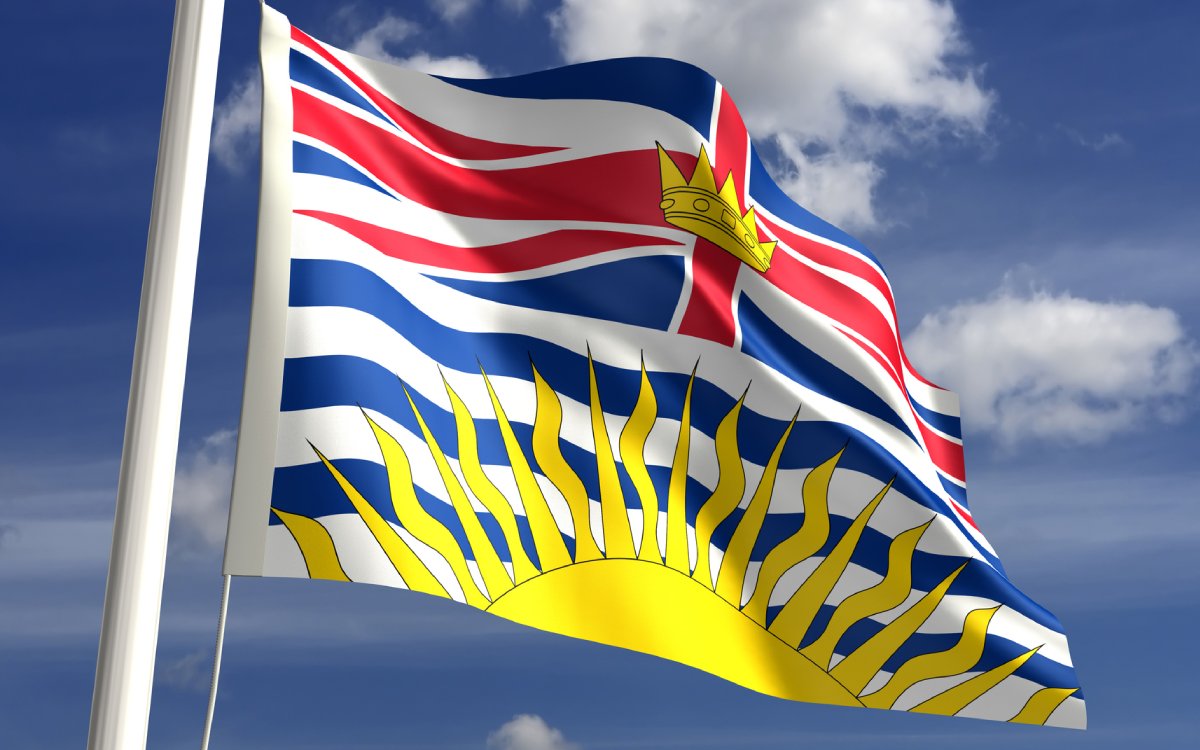
Lorne Doerkson led the Conservative party to a majority government in British Columbia last week. – iStock
Premier-elect Lorne Doerkson has pledged to scrap the ZEV sales quotas along with other clean energy rollbacks, putting a decade of EV leadership in question
The platform that led B.C.’s incoming Conservative premier, Lorne Doerkson, to sweeping victory in this month’s provincial elections is unequivocal in its stance on pushing zero-emission vehicles.
“End the zero-emission vehicle sales quota and you choose the vehicle that works for your family and work.”
In 2019, B.C. enacted the Zero-Emission Vehicle Act (ZEV Act), which was made to promote the manufacture and sale of ZEVs. In 2023, as part of the CleanBC plan, the act’s sales targets were accelerated to mandate 26 per cent of all light-duty and Class 2B vehicles sales be ZEVs by 2026, 90 per cent by 2030 and 100 per cent by 2035.
Earlier this year, the targets were dropped to 75 per cent by 2035.
The new political regime – B.C.’s first Conservative majority government in 93 years – is a hard right turn for a province that, for over a decade, has been seen as a leader in zero-emission vehicle (ZEV) adoption in North America and many in the industry are wondering what it will mean.
The platform
In addition to pledging to scrap the provincial ZEV sales quota, Doerkson’s platform includes additional proposals to:
- Repeal the CleanBC climate plan (the previous government’s plan to lower emissions by 40 per cent by 2030)
- Prioritize natural gas and LNG development, with a target to double production by 2032 and triple it by 2035
- Establish B.C. as a critical minerals hub
- Support renewable technology “as long as it can be shown to be as reliable and affordable and environmentally friendly as the alternatives.”
What will happen next?
It’s too early yet to predict when Doerkson’s party platform will be rolled out and, more importantly: how.
Before Doerkson can get to the “how” of executing the pledges in his platform he needs to become the official leader of his party (currently he is appointed as interim leader), choose his cabinet and allocate portfolios.
Once that happens it is likely that Doerkson’s government will set its agenda for its “first 100 days” in office. At that time it should become clearer as to the speed of change that British Columbians will notice across a variety of sectors, including the zero-emission vehicle and clean energy spaces.
Until then, many are left wondering if the B.C. Conservatives follow in the footsteps of Ontario’s Conservative premier, Doug Ford, who was elected in 2018.
It took Ford mere days after coming into office to scrap the $14,000 provincial EV purchase incentive and the incentives for EV chargers along with it.
Doerkson will be sworn in around mid-November.