ZEVIP funding for 122 recipients and more than 8,000 chargers, with $7.2 million for 30 EV education projects, will complement the previously announced $1.5 billion in loans for Charging and Hydrogen Refuelling Infrastructure Initiative
Ottawa announces sweeping changes that support Canadian electric vehicle manufacturing and sales, with $1.5 billion earmarked for charging infrastructure
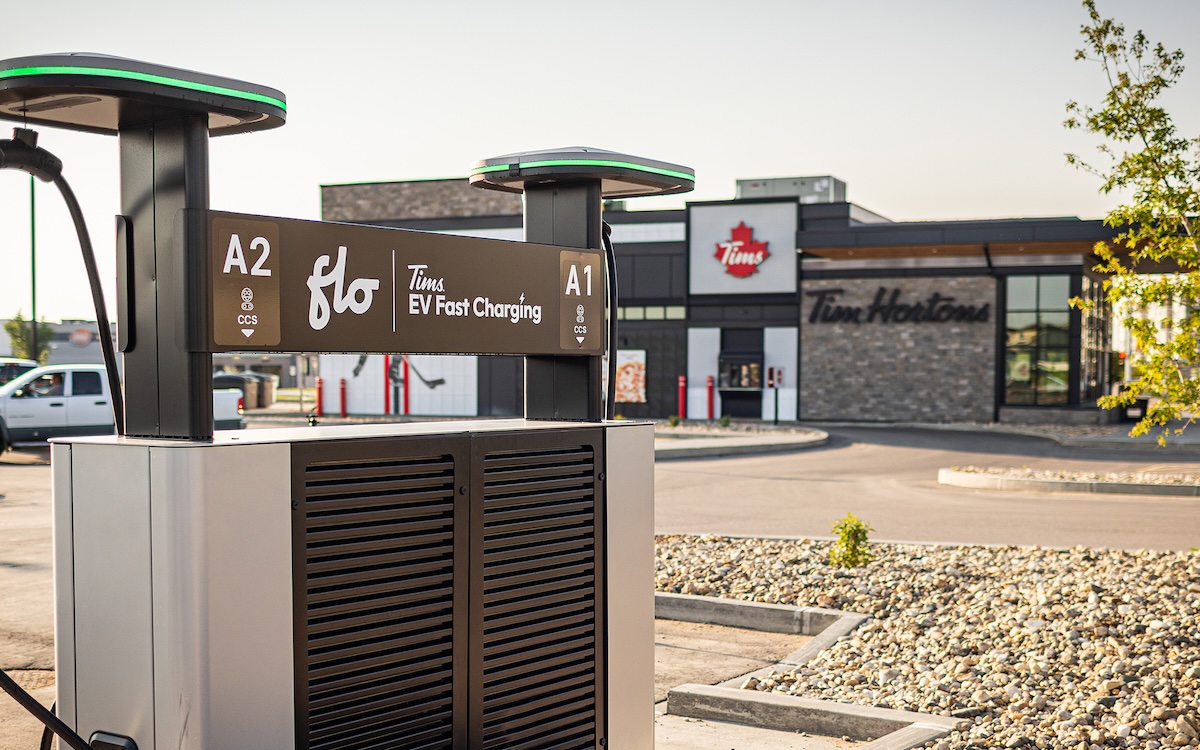
The first chargers are already operating in Regina, up to 13 more locations set to open by the end of the year and another 50 by 2026
The project will put 1,000 electric buses into service in Ontario and move over 40 million passengers per year
The chargers will be installed in urban areas across Canada and offer up to 7 kWh (or 50km) of free charging per EV, per day
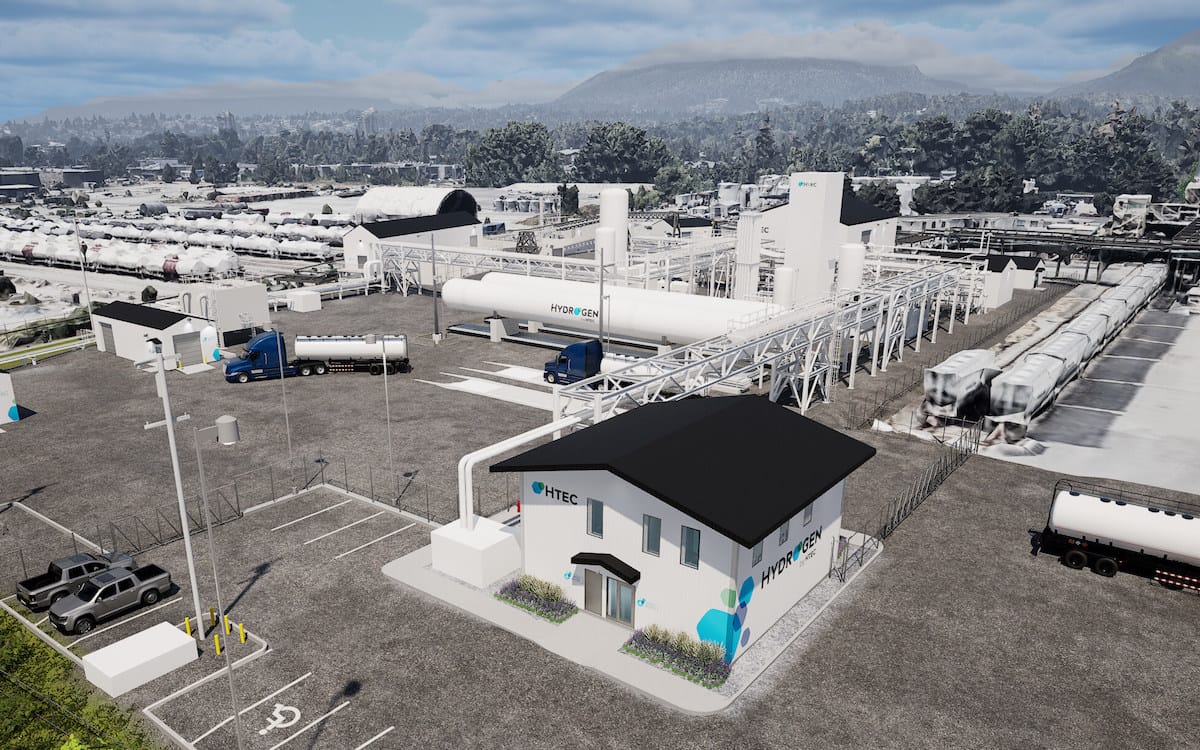
Since May, HTEC has announced plans to build three hydrogen production facilities, a liquefaction plant, a 20-station refuelling network and to launch a new subsidiary to deploy 100 hydrogen trucks. Its goal: to fast-track the adoption of hydrogen transportation by driving both supply and demand
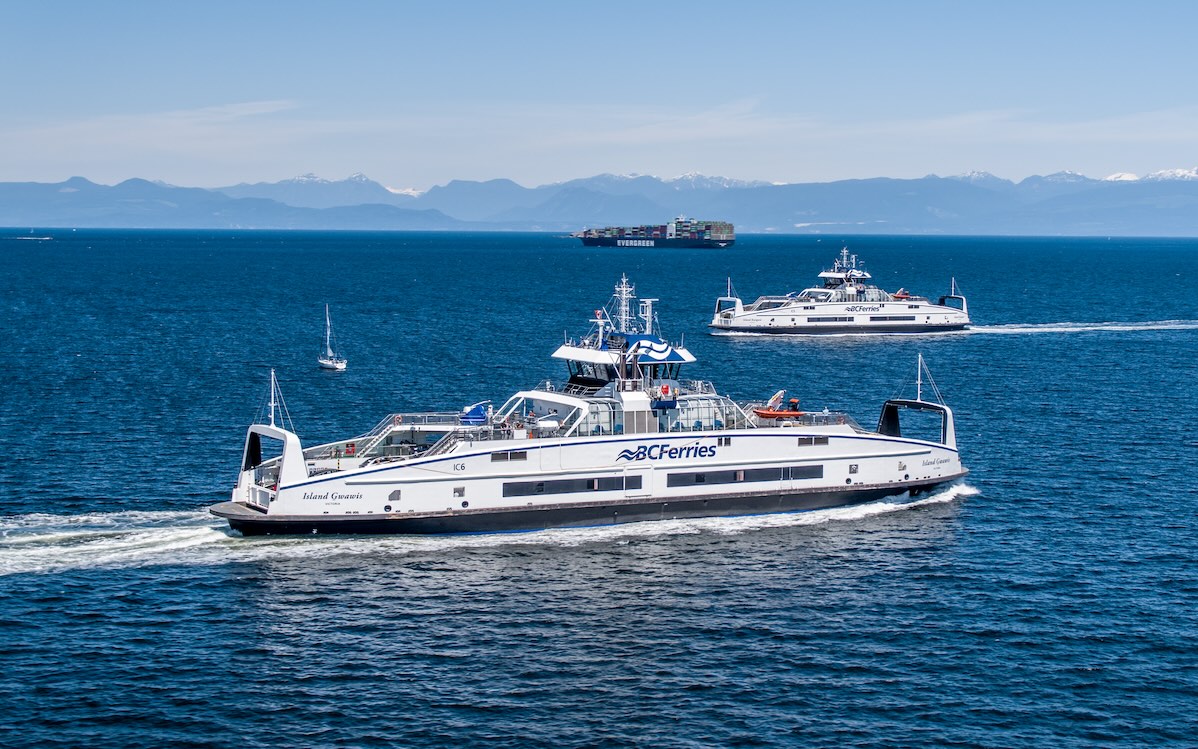
The loan will help BC Ferries finance the purchase of four hybrid electric ferries and install corresponding charging infrastructure
An array of funding and investment tax credits in Budget 2024 aims to spur sustainable energy and clean transportation development
Loans from the Canada Infrastructure Bank and NRCan will be used to boost renewable electricity strategy, in a partnership between the province and a Mi’kmaq development agency
Parkland will use the $210-million loan from the Canada Infrastructure Bank to deploy 2,000 DC fast chargers and expand its network